Tiger ... our that's more like it cat

Safe Pets Trust

Columbia, Missouri  
Committed to excellence in pet sitting and home care  
Our loving care in your loving home!  


Pet Sitting Benefits
Quality Standards
Services and Rates
Frequently Asked Questions
About Us
Satisfied Clients
Contact Us


Safe Pets Trust is a member of Pet Sitters International; click to visit PSI site
Safe Pets Trust
449-2331
email

Fleas and medication/prevention tips

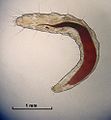
flea larva
Flea larva

We all are glad to get back into our active outdoor lives with our pets and that means the pesky issue of fleas, ticks and mosquitoes.

The single largest problem with fleas is their four-stage life cycle. While you may not have an active flea problem or if you keep your pets indoors most of the time, the pupa stage may be dormant for years. Squirrels are notorious flea carriers and homes with bird feeding stations also draw fleas on the visiting birds.

For more information about fleas and the most effective solutions visit:
* www.flea-and-tick-control.info/flea-treatment.htm link leads to an external site
* vetmedicine.about.com/od/parasites/f/FAQ_fleacontrol.htm link leads to an external site
* www.meridiananimalclinic.com/articles/fleafa1.html link leads to an external site

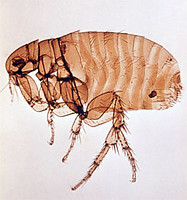
adult flea
Adult flea
Once monthly flea treatments are roughly 90 percent effective and the veterinarian version of Advantage is now available over counter. Be sure to follow directions precisely and never administer canine flea treatment to a cat; it is toxic.

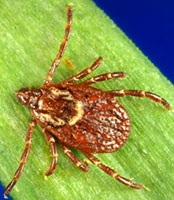
Ticks and mosquitoes also require consideration. If you find a tick on a pet your best action is take it to a veterinary clinic for removal. Should you feel confident about removing the tick without leaving the head embedded remember to keep the tick in a baggy for several days in the fridge. This is handy to give to your veterinarian should the bite become inflamed/infected or your pet acts lethargic or ill. Find out more at:
* www.paw-rescue.org/PAW/PETTIPS/DogTip_InsectPrevention.php link leads to an external site

Mosquitoes primary threat is heartworm. Though predominantly found in dogs, cats may also be infected and there is no treatment for feline heartworm. The best advice is to prevent mosquitoes from getting in your home, remove all stagnant water around your doors and walk dogs during early morning, mid-day and later evening to avoid the sunset feeding frenzy. Learn more at:
* www.eastsideah.com/pdf/heartworm.pdf link leads to an external site


Home

Benefits

Quality

Rates

FAQs

About

Clients

Contact